
What Brands Get Wrong About Photo Activations at Store Openings
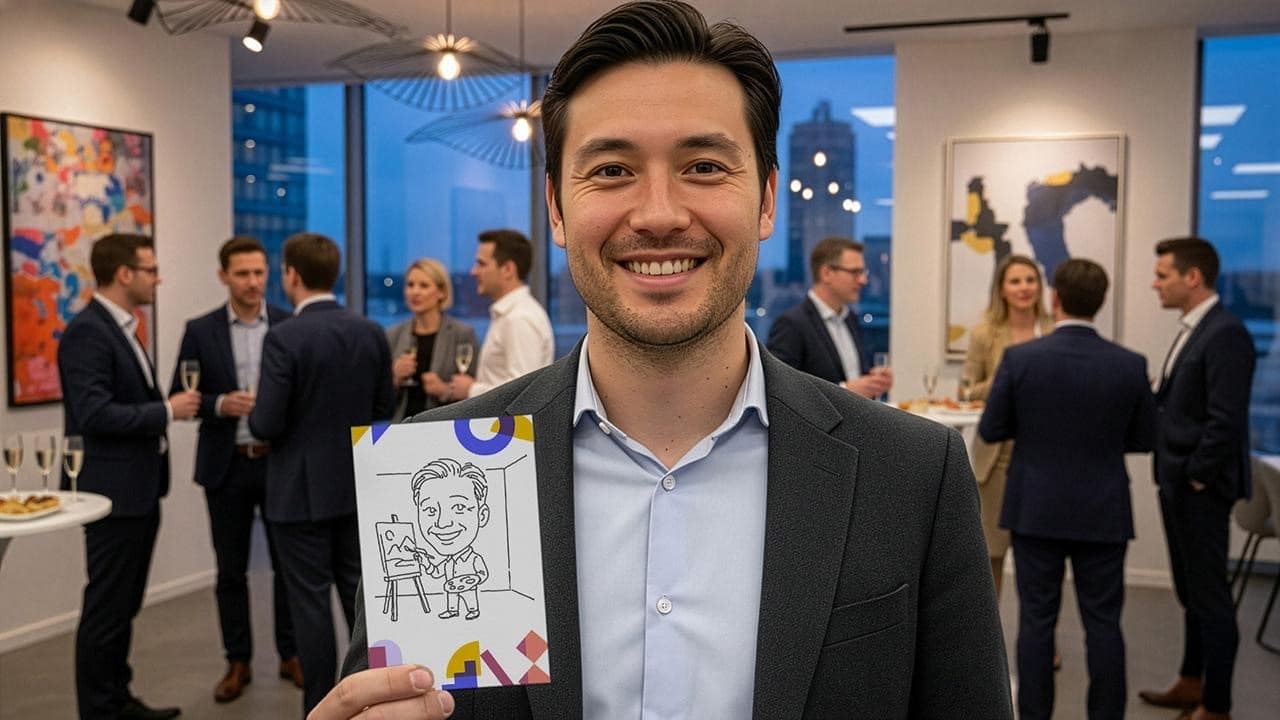
Most store opening activations are booked as decoration. Someone on the marketing side is told to make opening day feel like an event, a photo experience gets added to the run of show, and the brief is roughly “something fun near the entrance.”
That brief is why so many activations produce a good day and nothing else. The line looks great in the recap photos, the crowd is happy, and two weeks later there is nothing left from it. No usable content, no list, no proof of anything except that people showed up.
A store opening is one of the few days a brand gets a large, local, willing audience standing in one place with their phones out. The activation is the only part of the day designed to take something home from that. Here is where that usually breaks down.
The activation gets scoped after the event, not with it
The most common mistake is timing. The photo experience gets added once the venue, the run of show, and the budget are already fixed. By then the two decisions that matter most are already made for you: where the activation sits, and how much room it has.
Placement decides participation. An activation tucked past the checkout lanes gets the people who already committed to the store. One placed where the line forms, or where people are waiting anyway, gets the people who are still deciding whether the opening is worth their time. Those are the guests worth capturing.
Bring the activation partner in while the floor plan is still moving. The conversation takes twenty minutes and it changes the result more than anything you can fix on the day.
Throughput is treated as a detail instead of the constraint
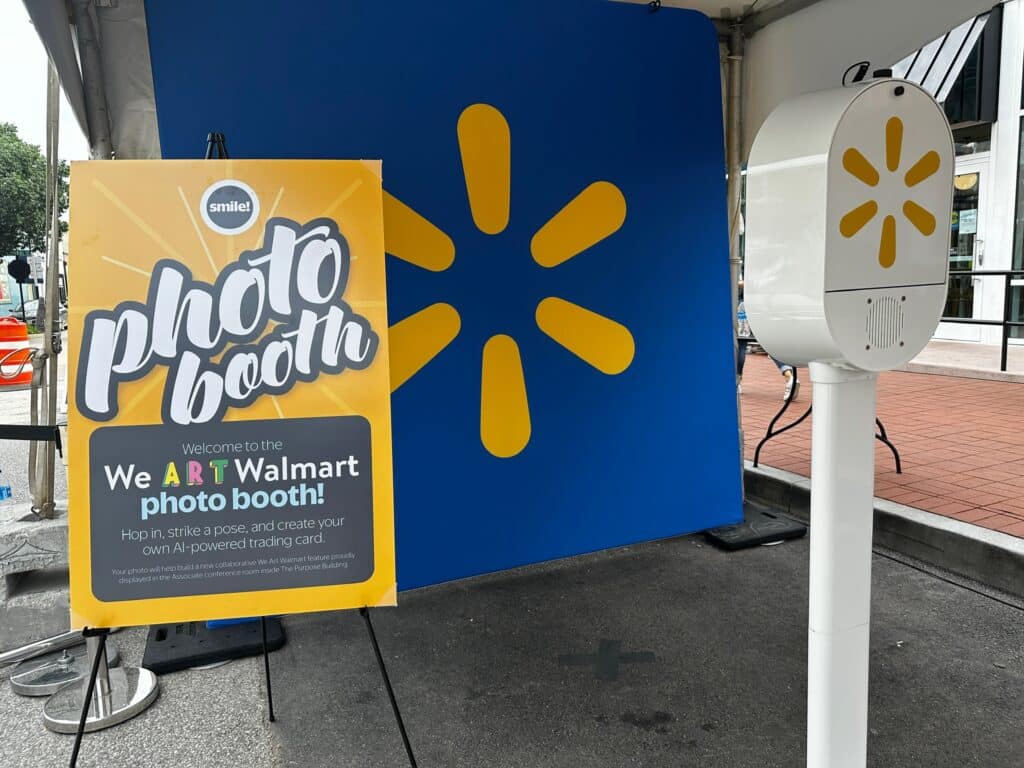
Opening day traffic is not evenly spread. It arrives in waves, usually around the ribbon cutting, any appearance you have scheduled, and the first hour after doors open. If the experience takes too long per guest, the line self-selects down to the people with nothing else to do, and everyone else walks past.
Ask three questions before you sign anything. How long does one guest take from stepping up to walking away with something in hand. How many people can be in the experience at once. What happens to the line during the busiest thirty minutes of the day.
If the answers are vague, the activation is being sold to you as an idea rather than an operation. Formats differ a lot here. A print that develops on the spot moves a crowd differently than an experience built around one guest at a time, and both are the right answer in different rooms.
The takeaway is forgettable
The physical output is the part of the activation that leaves the building. Most of the time it is a strip of images with a logo on it, and it ends up in a pocket, then a car, then a bin.
The test is simple. Would the guest keep this if the brand were not on it? If yes, the branding rides along for months. If no, you paid to print litter.
This is where the format choice earns its money. Lenticular prints move as the guest tilts them, which makes them something people hand to someone else to look at. A magazine style print puts the guest on a cover, which is a keepsake before it is an ad. Both do the same job in different tones: they give the guest a reason to keep an object with your name on it.
Nobody decides what happens to the data before the day
Almost every activation collects something. An email, a phone number, a consent to be contacted. And in a lot of cases nobody has decided in advance where that goes, who owns it, or what the guest gets in return.
Decide three things beforehand. What you are asking for, what the guest gets for giving it, and which system receives it on Monday morning. A local store opening list that lands in a spreadsheet nobody opens is not a result. The same list flowing into the store’s own email program, tagged by location, is the difference between an event cost and an acquisition channel.
Ask for less than you think you need. Opening day is not the moment for a six field form.
Permissions are handled after the fact
This one costs brands and their partners real content. Guests are photographed, the images are great, and then nobody is sure what can be published, by whom, on which channels, for how long.
Settle it in the booking. Guest consent belongs in the experience itself, in plain language, at the point of capture. Brand side approval for the partner to show the work belongs in the agreement, not in an awkward email six weeks later. Sorting it early costs nothing. Sorting it late usually means the answer is no.
Success is measured by the crowd photo
The recap deck almost always leads with a wide shot of a busy line. That is a picture of attendance, not of performance.
The numbers that tell you whether the activation worked are boring and easy to collect. Sessions completed. Opt in rate against sessions. Shares or sends from the experience. Content assets delivered to the brand afterward. Cost per captured contact. Put those in the brief before the event and the debrief writes itself.
The underlying point
An activation at a store opening is not entertainment with your logo on it. It is the mechanism that converts one day of local attention into content, contacts, and something guests carry out the door.
Brands that treat it that way scope it early, place it where the crowd actually forms, pick a format that matches the pace of the day, and decide in advance what leaves the building and where it goes.
That is the whole difference, and it is decided in the brief, not on the day.
Planning an opening? Bring us in early
BrightBooths builds photo activations for retail openings, product launches, and brand events, including lenticular prints, magazine style covers, Instant Spotlight, and virtual booths for multi site activations. We scope the experience against your run of show and your expected traffic, and we will tell you plainly which format fits the day and which one does not.
Send us your opening date, location, and expected footfall, and we will come back with a recommended format, a throughput estimate, and what the activation will hand you afterward in content and captured contacts.